
If you’ve ever applied for a South African unabridged birth, marriage, or death certificate, you know how painful the waiting can be. Weeks often turn into months, sometimes even years, leaving applicants wondering: Why is it taking so long?
The truth is that bottlenecks plague the Home Affairs process. Below is a step-by-step breakdown of what happens behind the scenes — and how Immigration Assist can help speed things up.
Step 1: Applying at the Branch or Embassy
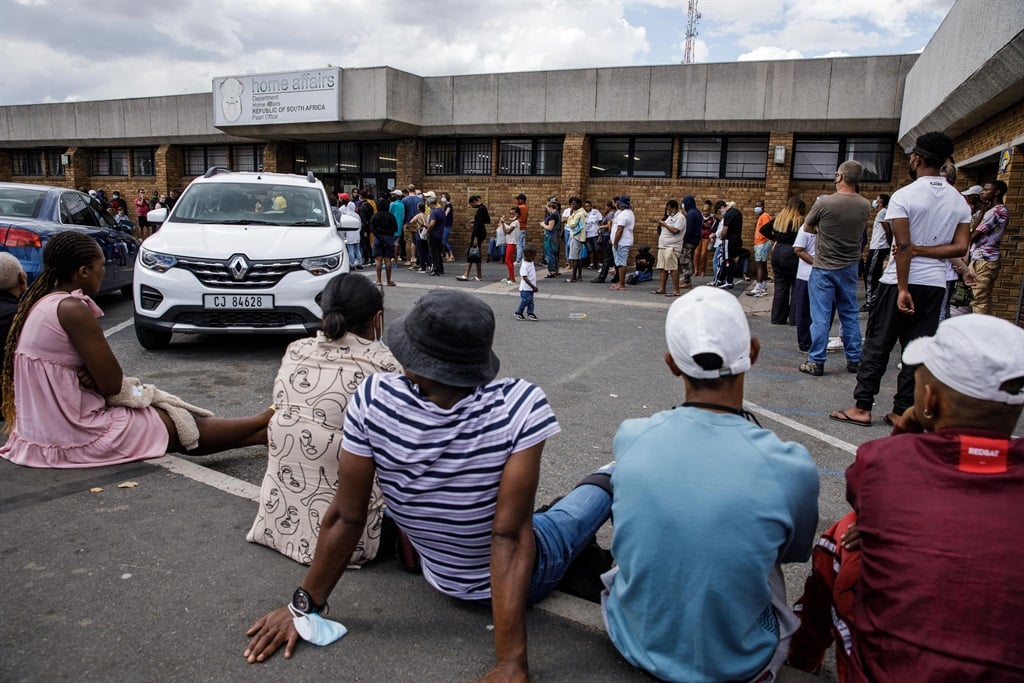
In South Africa, applicants face long queues at Home Affairs branches. Abroad, securing an appointment at the embassy or official service provider can also take hours.
Even after completing the application, staff must scan the form in the back office. This scanning backlog alone can delay your application by 1–2 weeks before it reaches Head Office.
Step 2: Allocation to a Moderator
Once scanned, the application joins a queue at Head Office. A moderator eventually picks it up and requests the original supporting record:
- For births: the birth registration form
- For marriages: the marriage register signed on the wedding day
- For deaths: the notice or form of death
Step 3: The Archives Bottleneck
One of the biggest delays occurs here. The records reside in archives, sometimes digitised but often stored in bundles with hundreds of files tied together. The archive clerk locates the batch and sends it to the moderator.
Only then can the moderator search through the bundle to find the exact record for your application.
Step 3B: When Records Go Missing
Delays at this stage do not stem solely from queues—sometimes the records are missing entirely.
If the clerk cannot locate your record, the request often moves to the back of the queue, adding months of delay.
Records might also be misfiled into the wrong batch and never returned to their place, rendering them effectively “lost.”
Sometimes, records are permanently destroyed—for instance, parts of the archives were lost in a fire in the 1950s and a flood in the early 2000s.
When this happens, applications stall indefinitely unless the applicant intervenes. Immigration Assist helps clients by escalating stalled applications, investigating record retrievability, and guiding them through amendment or alternative application processes.
Step 4: Typing Into the Certificate Template
Moderators do not type certificates based on application forms; they use the original archive records.
If the original record contains errors, the new certificate repeats those mistakes.
Applicants must lodge separate amendment applications to correct mistakes, which takes even longer.
Step 5: Authorization and Printing
After typing, staff mark the certificate as “moderated” and send it with an authorization code to your chosen branch.
The certificate prints locally, not at Head Office, so it waits until local staff have time to print, stamp, and sign it—another bottleneck.
Step 6: Collection Problems
Applicants should receive an SMS notification to collect their certificate, but the SMS system often fails.
Incorrect phone numbers or missed messages mean many wait indefinitely while their certificates gather dust at the branch.
Why the Delays Happen
Several factors slow the process:
- Scanning backlogs at branches and embassies
- Long moderator queues at Head Office
- Archives delays when locating original records
- Errors on original records requiring amendments
- Printing bottlenecks at local branches
- Failed SMS notifications for collection
No wonder certificates take so long!
How Immigration Assist Can Help
Immigration Assist specialises in navigating Home Affairs’ systemic delays:
- Following up directly with Head Office and archives staff
- Tracing applications stuck in the system
- Assisting with record amendments for erroneous certificates
- Helping South Africans abroad who struggle getting embassy updates
Instead of waiting months or years, Immigration Assist ensures your application moves forward and keeps you informed every step of the way.
Conclusion
The Home Affairs process involves many steps and bottlenecks, making it long and complex. However, you don’t have to navigate it alone. Whether you need a birth, marriage, or death certificate, Emigration Assist stands ready to cut through red tape and get results.