If you are planning to travel internationally with children, one of the most common questions South African parents ask is: Do I still need an unabridged birth certificate if my child already has a passport with both parents’ details?
The rules have caused plenty of confusion since the law was introduced in 2015. Let’s break down what the Department of Home Affairs (DHA) says, share real traveller experiences, and explain when parental consent documents are required.
What Is an Unabridged Birth Certificate?
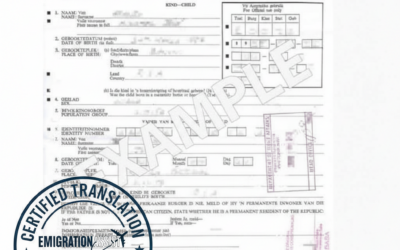
An unabridged birth certificate is an official document issued by the Department of Home Affairs. Unlike the old abridged version, it lists both parents’ full details alongside the child’s.
This makes it a key document for proving parentage during international travel. You can read the official definition in the South African Immigration Regulations (DHA, 2015).
When Is an Unabridged Birth Certificate Required?
According to the Department of Home Affairs, children under 18 must always travel with:
- A valid passport
- And either: an unabridged birth certificate or an equivalent parentage document
However, there is an important exemption. If the child’s passport already contains the details of both parents, then an unabridged birth certificate is not required.
This exemption is confirmed on the Belgian Foreign Affairs travel advisory:
“A child presenting a passport which contains the details of his or her parent or parents is not required to produce a birth certificate/equivalent document.”
Why Parents Still Carry the Certificate
Even with the exemption, many parents still carry the unabridged birth certificate. Why? Because airlines are the first line of enforcement, and airline staff often prefer to see both documents before allowing boarding.
In practice, some families report they travelled smoothly with just a passport showing both parents’ details, while others were asked for the certificate at check-in.
Parental Consent: What You Need to Know
The unabridged birth certificate is only part of the story. In many cases, you also need a Parental Consent Affidavit (PCA).
1. Both parents travelling
- No PCA needed.
2. One parent travelling alone with a child
- Must carry a PCA (Form BI-303) signed by the non-travelling parent.
3. Child travelling with someone who is not a parent
- PCA signed by both parents required.
4. One parent deceased
- Death certificate of the deceased parent must be presented.
5. Other circumstances
- If one parent refuses consent or cannot be located, a court order must be provided.
The PCA must:
- Be signed before a Commissioner of Oaths (e.g. police officer, lawyer, notary, or Home Affairs official).
- Be no more than 6 months old at the time of travel.
- Contain trip details, contact info, and full particulars of parents and child.
You can read more on the Home Affairs parental consent requirements.
Practical Travel Tips
- Carry both documents: Even if exempt, keep the unabridged birth certificate and PCA with you.
- Use certified copies: Take certified copies of passports, IDs, marriage or divorce decrees, and death certificates.
- Check with your airline: Some airlines strictly enforce the rules, while others accept the passport exemption.
- Keep PCA up to date: Affidavits older than 6 months are invalid.
Conclusion
So, do you need an unabridged birth certificate to travel with children?
- Yes, if your child’s passport does not show both parents’ details.
- No, if the passport includes both parents’ details — but it’s strongly advised to carry the certificate anyway.
- Always, if one parent is not travelling, you’ll need a parental consent affidavit.
Being over-prepared is the best approach. Carry passports, the unabridged birth certificate, and a valid parental consent affidavit if needed. This way, you minimise the risk of being denied boarding or delayed at immigration.
Safe travels, and may your journey be stress-free!
Unabridged Birth Certificates – Emigration Assist
Common Problems with Unabridged Birth Certificates – Emigration Assist